
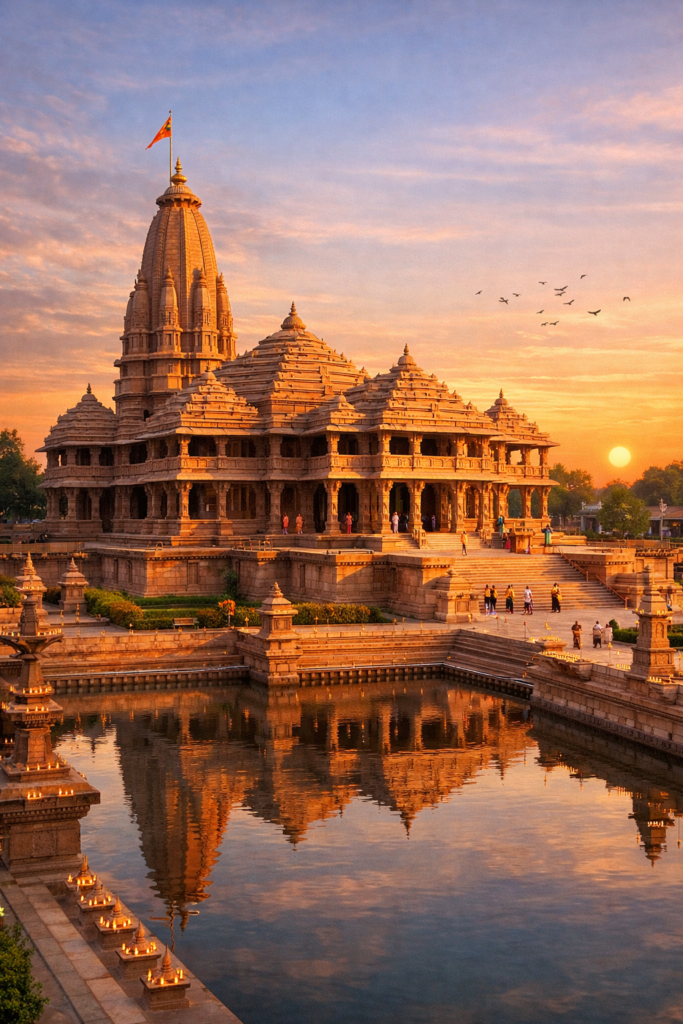
Ayodhya is not just a destination—it is a living chapter of India’s spiritual consciousness. With the consecration of the Shri Ram Janmabhoomi Mandir, Ayodhya has emerged as one of the most significant pilgrimage centers in the country. For devotees planning a visit, understanding VIP darshan procedures, accommodation options, and practical planning tips can make the journey smoother and more meaningful.
This guide offers a clear, respectful overview to help you plan your Ayodhya Ram Mandir darshan with ease.
Understanding Darshan at Ram Mandir
The Ram Mandir follows a structured darshan system to manage the large number of devotees visiting daily.
🛕 General Darshan
- Available to all devotees
- Usually free of cost
- Waiting time may vary depending on crowd levels, festivals, and weekends
🌟 VIP Darshan (Special Access)
VIP darshan is designed for:
- Senior citizens
- Differently-abled devotees
- Those with time constraints
VIP darshan typically allows:
- Shorter waiting time
- Controlled access slots
- Better crowd management
⚠️ Important:
VIP darshan rules and availability are governed by the Shri Ram Janmabhoomi Teerth Kshetra Trust and local administration. Always rely on official sources for the latest updates.
How to Plan VIP Darshan (Safely & Correctly)
To avoid misinformation or fraud:
- Check official announcements from:
- Shri Ram Janmabhoomi Teerth Kshetra Trust
- Ayodhya district administration
- Avoid unofficial agents or unverified online claims
- Carry valid government-issued ID
- Follow temple guidelines strictly (dress code, security norms)
Early morning and late evening slots are generally less crowded and more peaceful.
Best Time to Visit Ayodhya
📅 Ideal Months
- October to March – Pleasant weather, better walking conditions
- Avoid peak summer (May–June) if traveling with elderly members
🕉️ Auspicious Occasions (High Crowd)
- Ram Navami
- Diwali
- Makar Sankranti
- Major religious festivals
If visiting during festivals, plan accommodation and darshan well in advance.
Where to Stay in Ayodhya
Ayodhya now offers a growing range of stay options to suit different budgets.
🏨 Budget & Dharamshalas
- Ram Katha Kunj
- Temple-managed guest houses
- Ideal for pilgrims seeking simplicity
🏨 Mid-Range Hotels
- Comfortable stays with basic amenities
- Located near temple area or main roads
🏨 Premium Stays (Limited)
- Newly developed hotels in and around Ayodhya
- Better facilities, advance booking required
📌 Tip:
Book accommodation close to the temple area to reduce travel stress, especially during peak days.
Getting to Ayodhya
✈️ By Air
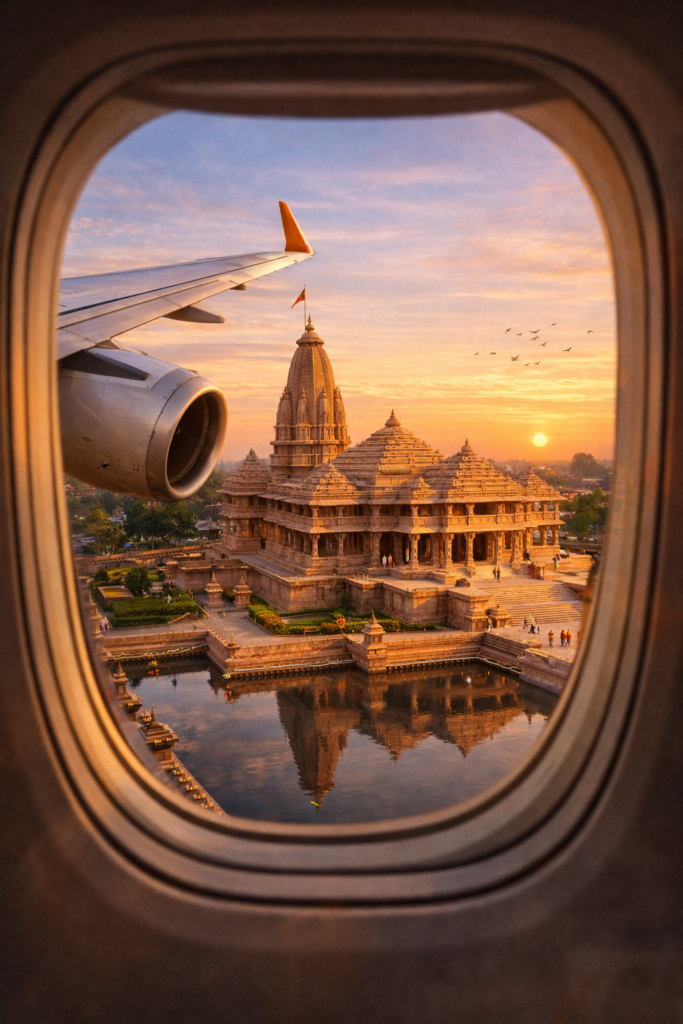
- Maharishi Valmiki International Airport, Ayodhya
- Direct flights from major Indian cities are increasing
🚆 By Train
- Ayodhya Junction & Ayodhya Cantt well connected to:
- Delhi
- Varanasi
- Lucknow
🚗 By Road
- Well-connected highways from Lucknow and nearby cities
- Government-arranged transport available during major events
Important Travel Tips for Devotees
- Dress modestly and respectfully
- Avoid carrying prohibited items
- Keep digital and physical copies of IDs
- Stay hydrated and plan rest breaks
- Follow crowd control instructions patiently
Remember, darshan is an experience of devotion, not speed.
Beyond the Temple: Other Sacred Spots in Ayodhya
While visiting, consider spending time at:
- Hanuman Garhi
- Kanak Bhawan
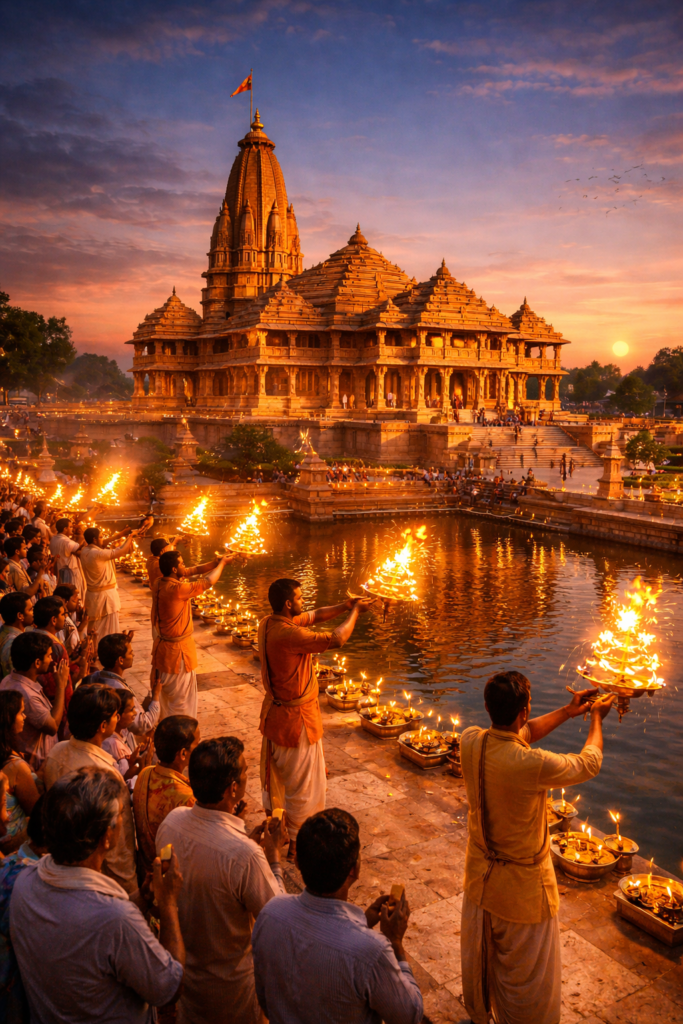
- Saryu River Ghats (for evening aarti)
- Ram Katha Park
These places offer deeper insight into Ayodhya’s spiritual and cultural fabric.
Conclusion: Faith with Thoughtful Planning
A visit to Ayodhya Ram Mandir is a deeply emotional and spiritual milestone for many devotees. With thoughtful planning—understanding darshan systems, choosing suitable accommodation, and respecting local guidelines—you can focus less on logistics and more on bhakti and reflection.
Pilgrimage, after all, is not just about reaching a sacred place, but about how we arrive there—physically and inwardly.