
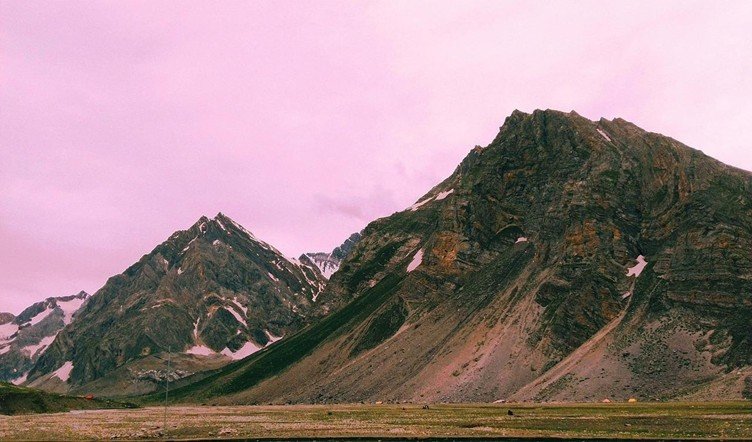
For every devotee of Lord Shiva, the Amarnath Yatra is more than a pilgrimage, it is a spiritual journey. Located at an altitude of 3,888 meters in the Kashmir region of India, the holy cave houses naturally occurring ice lingam. Planning for the current (2026) season requires careful attention to health, permits, registration, and budgeting for the rugged terrain.
Travel
The Yatra typically operates via two channels
Pahalgam (traditional) and Baltal (shorter but steeper).
- By Air: Flying to Srinagar is the most convenient option, with round-trip tickets from Delhi costing between ₹8,000 and ₹15,000.
- By Road: Shared taxis from Jammu to Pahalgam or Baltal cost approximately ₹800– ₹1,200 per person.
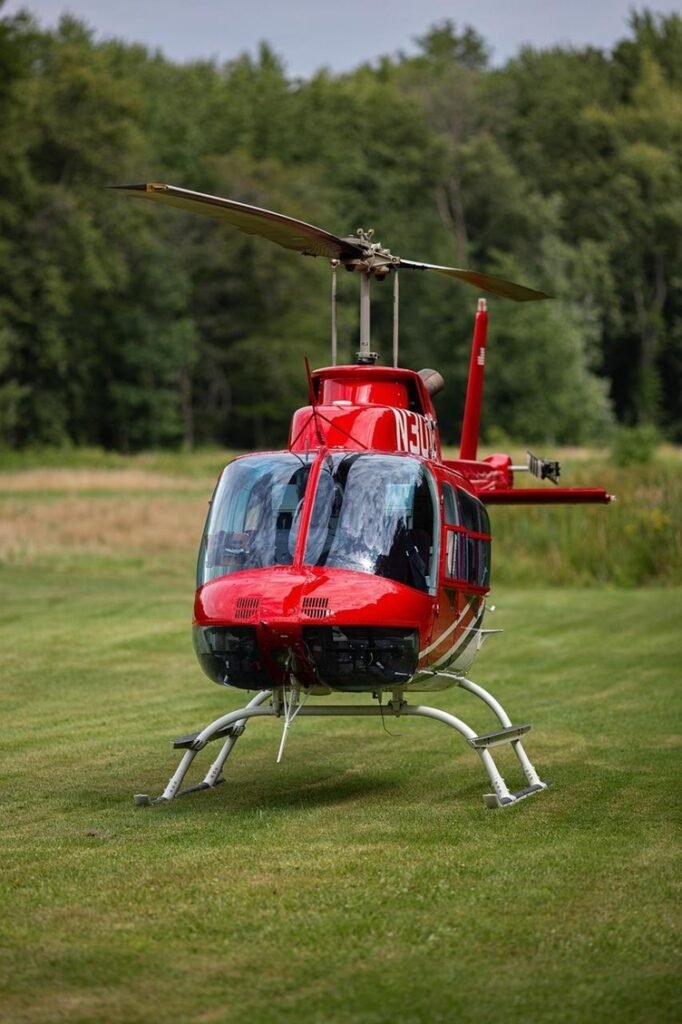
- Helicopter Services: For 2026, the helicopter fares from Baltal to Panjtarni are estimated at ₹3,250 (one-way), while the Pahalgam-Panjtarni route is roughly ₹4,900 (one-way).
Accommodation
Accommodation on the trek is primarily in weather-resistant tents provided by the Shri Amarnathji Shrine Board (SASB) and private operators.
- Base Camps: At Nunwan (Pahalgam) or Baltal, budget guesthouses cost ₹1,000–
₹2,000.
- On the Trek: Shared tent stays at Sheshnag or Panjtarni which costs around ₹500– ₹800 per night. For those seeking comfort, pre-booked Luxury Tents with better bedding are available for ₹3,000–₹4,500. Food and Rituals
One of the most beautiful aspects of Amarnath is the Langar (community kitchen) system. Free, nutritious vegetarian meals are provided throughout the route by numerous charitable organisations. However, if you choose to eat at private installations, it costs roughly ₹400 per day for snacks and hot beverages.
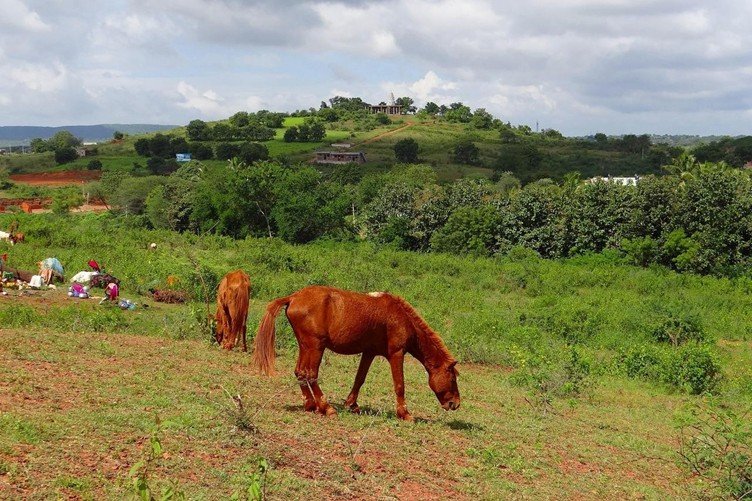
- Pony & Palki: If you cannot trek, a pony from Baltal to the Cave (round trip) costs around ₹4,500–₹5,500. A Palki (sedan chair) is a premium service which costs between ₹15,000 and ₹18,000.
- Mandatory Costs: The Yatra Permit registration fee is nominal (around ₹150), but a Compulsory Health Certificate (CHC) from an authorised doctor is a necessary.