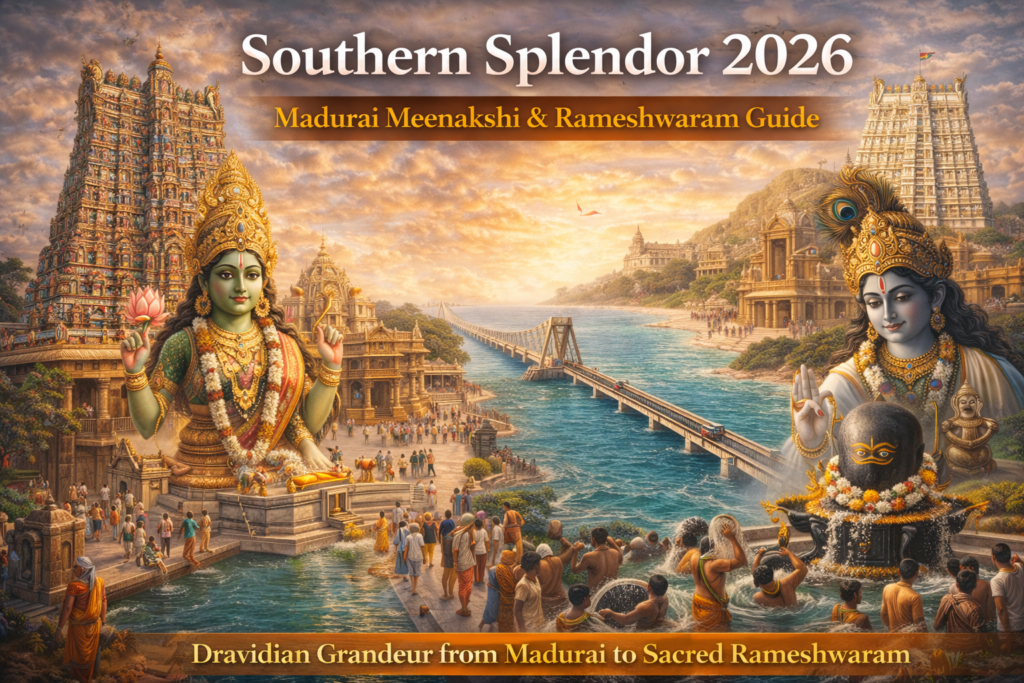
South India’s spiritual soul finds a powerful expression in the temple towns of Madurai and Rameshwaram. Here, devotion is not only practised, but it is lived through architecture, and tradition. While Madurai shines with its towering gopurams and temple streets, Rameshwaram offers a quieter and purifying experience as one of the sacred Char Dham destinations. Together, they form a journey that blends Dravidian architecture with spiritual experience.
Madurai travel guide
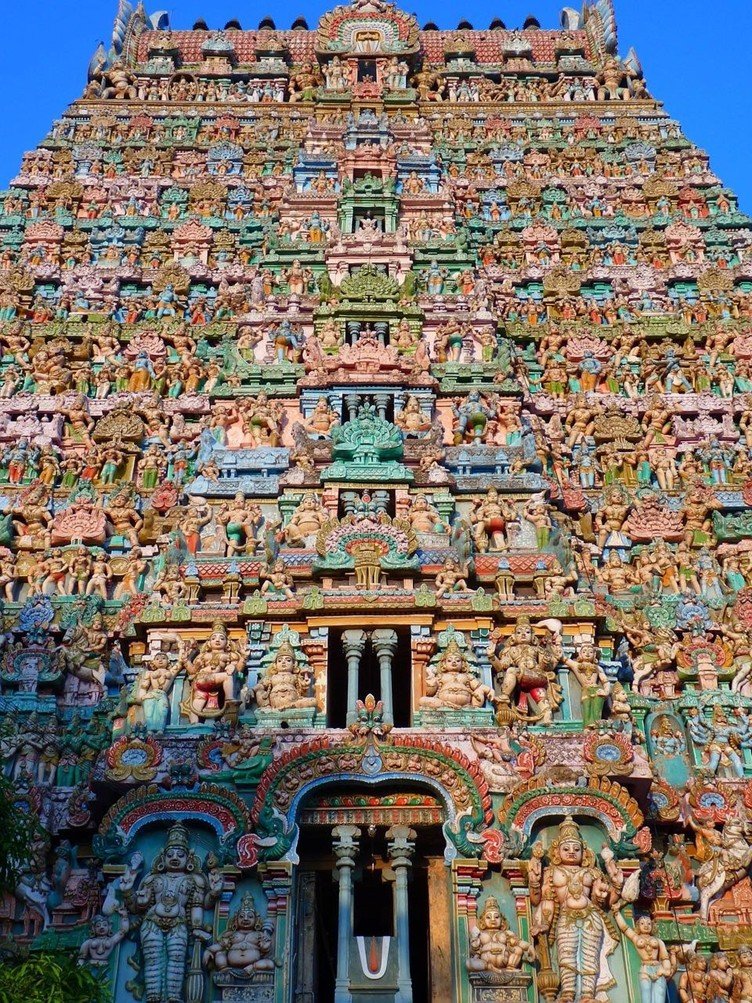
Madurai is centred around the iconic Meenakshi Amman Temple, a masterpiece of Dravidian construction style.
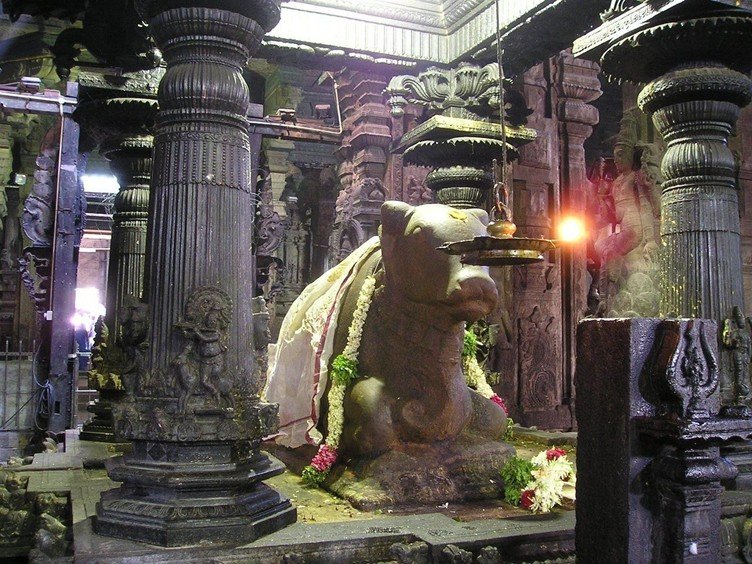
Most tourists arrive via Madurai International Airport, which is well connected to major Indian cities. Staying near the temple ensures that you can participate in early morning and late evening rituals without any problem.
Budget hotels in near temple begin at around ₹1,200 per night. For those seeking a more serene experience, heritage properties such as Heritage Madurai offer comfort, with tariffs starting from ₹8,000 and above.
Food in Madurai is an experience in itself. Temple town eateries serve traditional South Indian vegetarian food on banana leaves. A thali, comprising rice, sambar, rasam, poriyal, and curd, typically costs between ₹120 and ₹250. The simplicity and freshness of the cuisine complement the spiritual atmosphere.
Rameshwaram
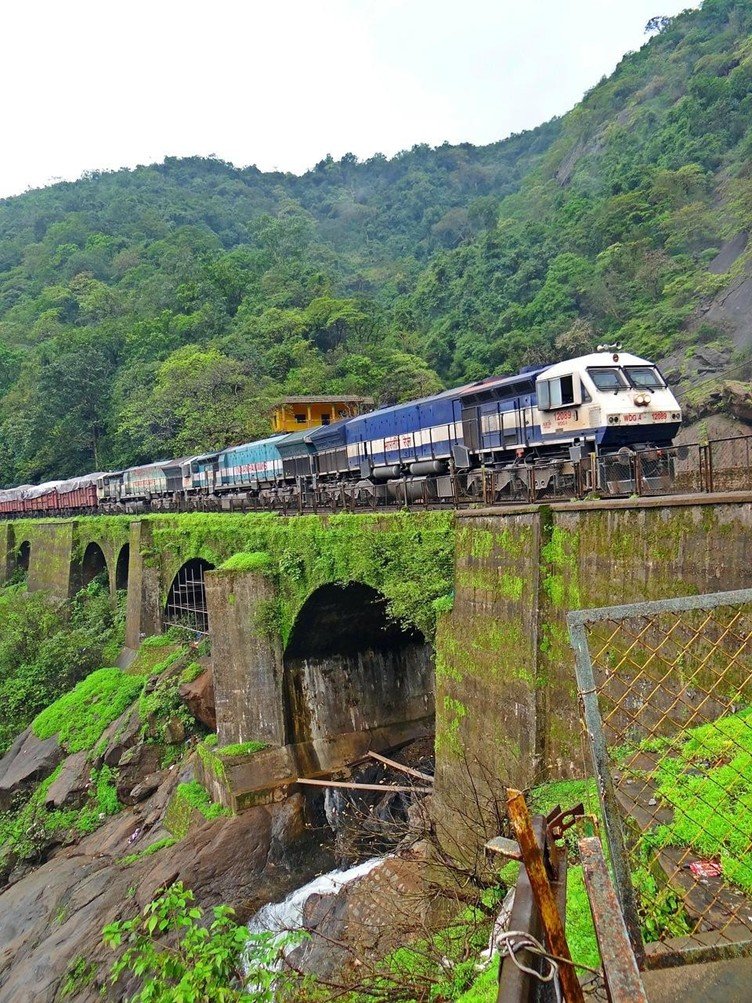
From Madurai, Rameshwaram lies approximately 170 km away. The journey can be taken by train, which is quite affordable, with sleeper class fares under ₹200. The scenic ride across the Pamban bridge, with the sea stretching on either side, is memorable. Alternatively, a private taxi for a round trip usually costs between ₹5,500 and ₹7,000, offering flexibility for families and elderly travellers.
Rameshwaram holds immense significance as one of the Char Dham pilgrimage sites. The Ramanathaswamy Temple is renowned for its corridors, among the longest in the world, supported by hundreds of sculpted pillars. Yet, beyond its architectural marvel, it is the ritual of Theertham Snanam that draws millions.
Inside the temple premises are 22 sacred wells, each believed to possess unique spiritual properties. Devotees traditionally bathe in these wells before proceeding for darshan. The process symbolises cleansing of past karmas and purification. The ticket for the well bathing ritual is nominal, around ₹25. Many pilgrims choose to hire a guide, typically costing ₹200 to ₹500, who leads them through the sequence of wells.
Special pooja services enhance the experience. Early morning Mani Darshan or the Spatika Linga Darshan provide a glimpse of the deity. Tickets for these special darshans range between ₹50 and ₹250, making them accessible to most visitors.
Accommodation in Rameshwaram caters primarily to pilgrims. Tamil Nadu Tourism Development Corporation hotels are a dependable option, with room tariffs between ₹2,000 and ₹3,500. For those seeking basic, budget friendly stays, ashrams such as Goswami Mutt provide simple rooms for ₹500 to ₹800.
Beyond the Temple, Dhanushkodi
No visit to Rameshwaram is complete without an excursion to Dhanushkodi. Often referred to as the Ghost Town, it was destroyed in the 1964 cyclone and now stands as a haunting yet beautiful stretch where the Bay of Bengal meets the Indian Ocean. Reaching Dhanushkodi requires hiring a local 4×4 jeep or taking a special bus service, with costs ranging from ₹1,500 to ₹2,500 per vehicle. The ruins and pristine shoreline offer a thoughtful end to the pilgrimage.
Together, Madurai and Rameshwaram present a journey that nourishes both the body and the soul. From the artistry of Dravidian temple architecture to the act of spiritual cleansing in sacred waters, this southern circuit leaves pilgrims with a profound sense of grace and renewal.