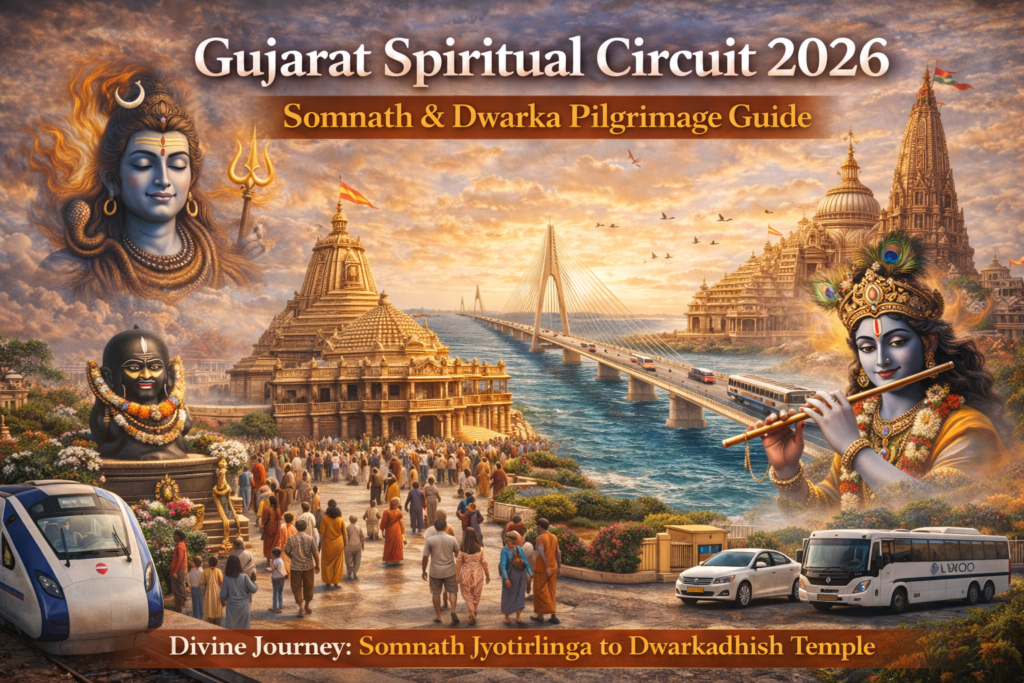
Gujarat’s western coastline comprises two of India’s most sacred pilgrimage centres, Somnath and Dwarka. For centuries, devotees have travelled across the country to pay their respect before Lord Shiva at Somnath Jyotirlinga and Lord Krishna at Dwarkadhish Temple. In 2026, improved rail connectivity and modern infrastructure upgrades have made this spiritual circuit smoother, faster, and more comfortable, without diluting its sanctity.
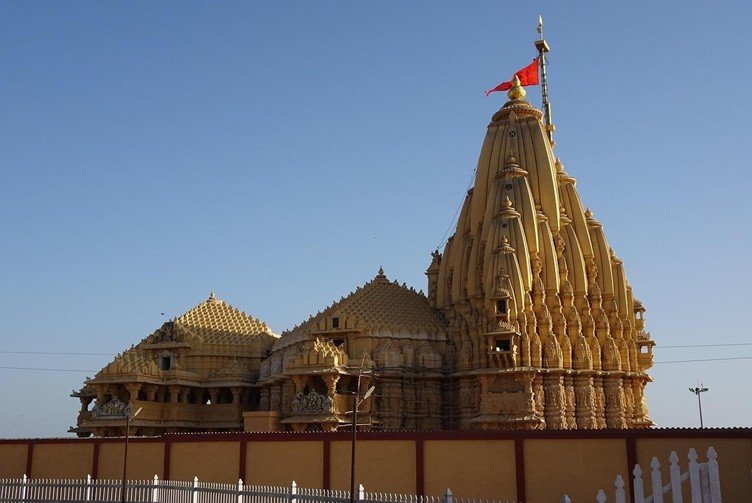
Travel
The journey typically begins from Rajkot or Jamnagar, but Ahmedabad remains the most convenient point for many travellers.
The Vande Bharat Advantage
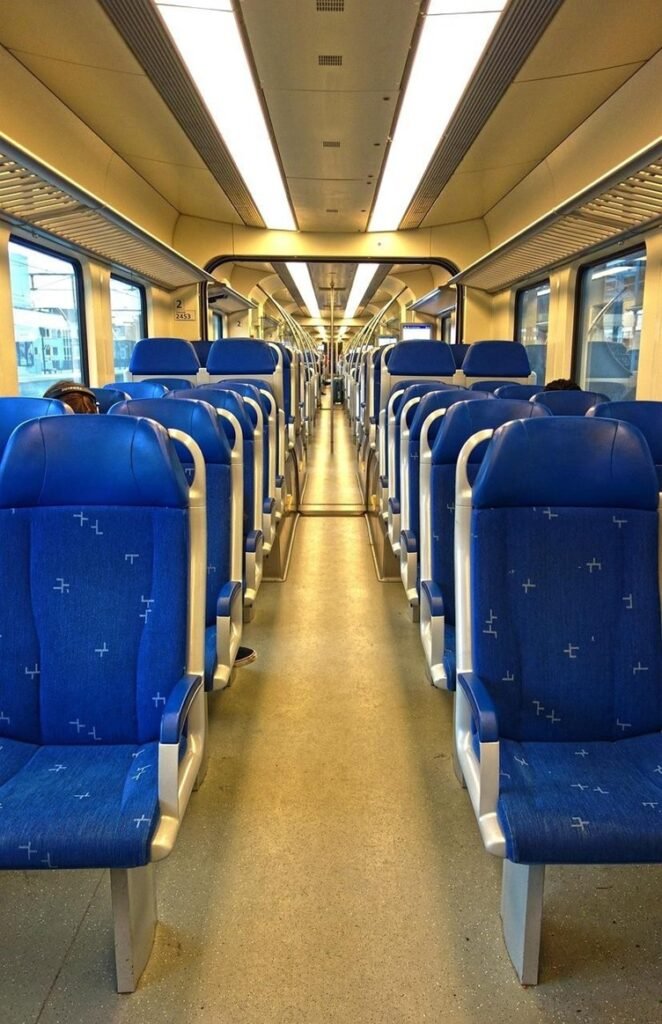
The Vande Bharat Express has transformed rail travel in Gujarat. The train connecting Ahmedabad to Okhla has become the preferred choice for pilgrims heading to Dwarka. Covering the route in roughly six hours, it offers a comfortable option. AC Chair Car fares begin around ₹1,350, while Executive Class tickets are priced at approximately ₹2,450. The experience is ideal for families and senior citizens.
The Sudarshan Setu Bridge
One of the biggest developments for 2026 is the Sudarshan Setu, India’s longest cable stayed bridge, connecting mainland Dwarka to Bet Dwarka. Earlier, pilgrims depended on boat services that were often restricted by weather conditions. Now, devotees can drive across the 2.32 km bridge at any time of the day. Taxis from Dwarka city to the bridge, about 30 km away, cost between ₹800 and ₹1,200. The drive itself offers beautiful views of the Arabian Sea.
Inter City Travel
For those planning the full Dwarka Somnath circuit, hiring a private AC sedan is a practical choice. A three-day package covering the 230 km one way distance usually costs between
₹12,000 and ₹15,000. Solo travellers or budget pilgrims can opt for Gujarat State Road Transport Corporation Volvo buses, with fares around ₹500 per seat. The roads are well connected making the journey comfortable.
Accommodation, Comfort with Devotion
Both Somnath and Dwarka are managed by temple trusts that prioritise pilgrim welfare.
In Somnath, the Shree Somnath Trust operates Sagar Darshan Atithi Gruh, offering sea facing premium rooms priced between ₹3,400 and ₹4,800. For budget conscious visitors, Lilavati Atithi Gruh provides clean AC rooms for ₹950 to ₹1,500. Dormitory beds are available at a nominal ₹200, making it accessible for all sections of society.
In Dwarka, serene and affordable stays such as Kokila Dhirubhai Ambani Vidyamandir offer rooms between ₹1,000 and ₹1,500. Mid-range private hotels like The Fern or Sayaji range from ₹4,000 to ₹7,500 per night, catering to those seeking additional comfort. Gujarati Thalis
Food in Gujarat reflects its warmth and generosity. Both temple trusts operate Bhojanalayas serving unlimited sattvic meals at highly subsidised rates between ₹60 and ₹100. The meals are simple and pure.
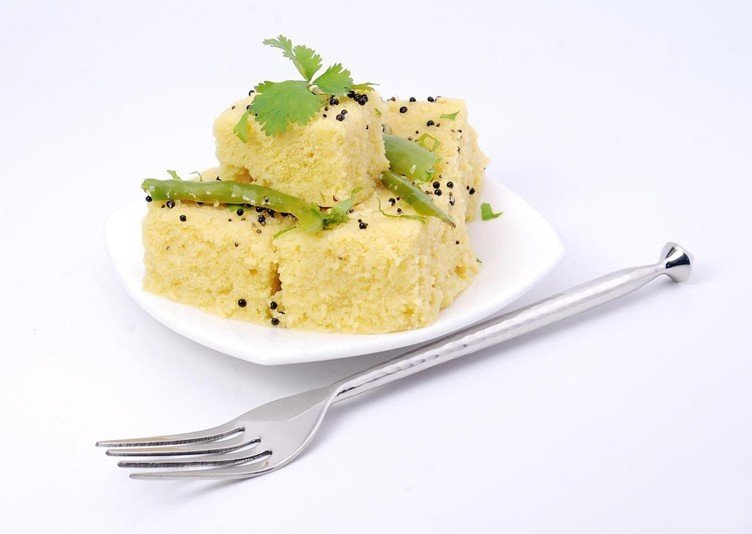
Private restaurants offer elaborate Gujarati thalis featuring dhokla, thepla, kadhi, farsan, and sweets. These typically cost between ₹250 and ₹400. A daily food budget of ₹600 to ₹800 is sufficient for a wholesome culinary experience.
Rituals
In Somnath, the evening Light and Sound Show is a highlight. Narrated in the resonant voice of Amitabh Bachchan, it recounts the temple’s history and resilience. Tickets are priced at ₹50 and the experience is deeply moving.
In Dwarka, witnessing the Dhvaja Arohan, the ceremonial changing of the temple flag, is considered highly auspicious. While sponsoring the ritual can cost up to ₹35,000, observing it is free.
A short drive of 15 km from Dwarka takes you to Nageshwar Jyotirlinga. Auto rickshaw round trips cost between ₹500 and ₹700, making it an easy addition to the itinerary.
The Gujarat Spiritual Circuit in 2026 offers a blend of devotion, infrastructure, and comfort. Whether you travel for faith, heritage, or reflection, Somnath and Dwarka promise an experience that stays with you long after the journey ends.